FOLIO I · THINKER · GEN. 02 · N° 013

Gustav Gross

Works
13
Articles
0
Generation
2.
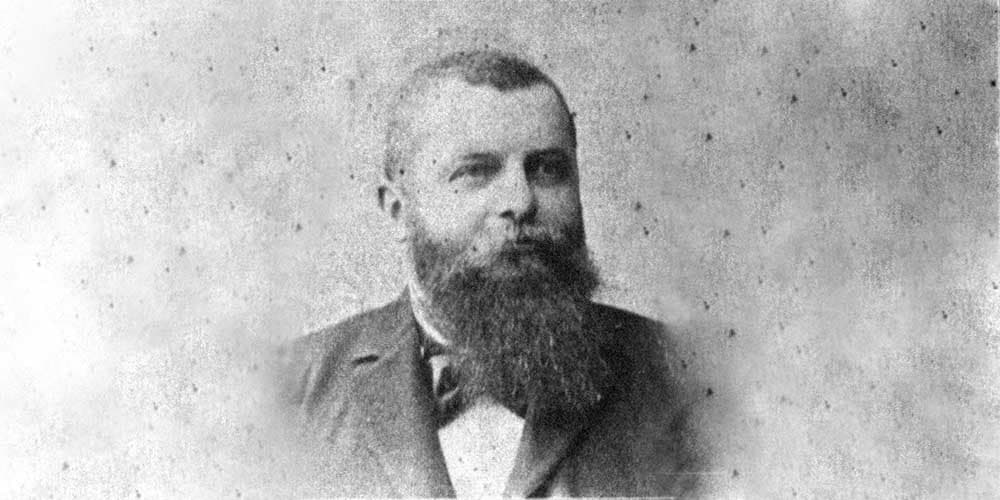
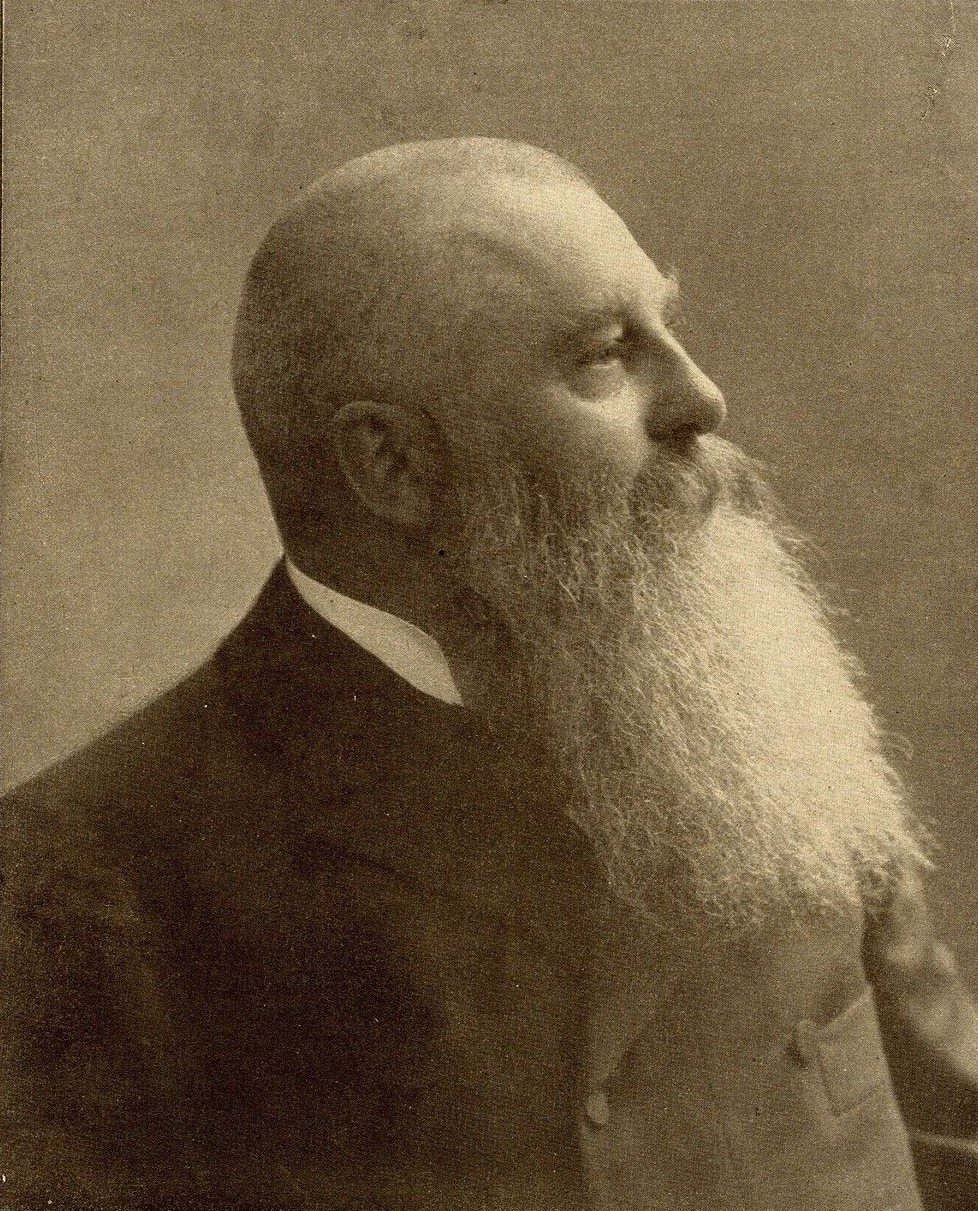
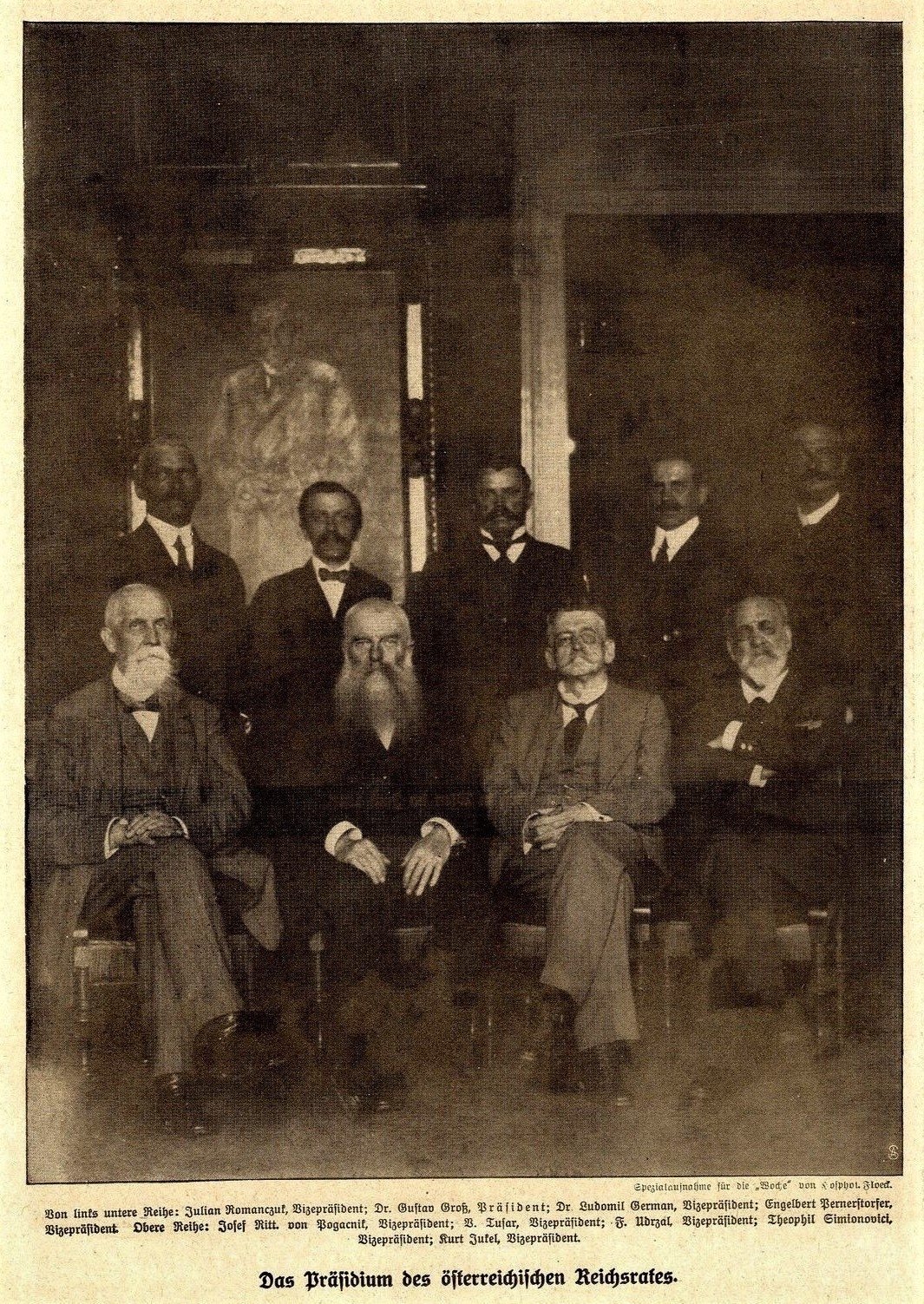
Portrait of Gustav GrossPortrait of Gustav Gross: Dr. Gustav Groß, Präsident des Abgeordnetenhauses 1917 (1917)Portrait of Gustav Gross: Präsidium des österreichischen Reichsrates, 1917 (1917)
FOL. 02 · N° 013 · Gustav Gross
BIOGRAPHY

Life and Work

The son of a railway director received his habilitation, after studying law in Vienna and Berlin and a period of work at the Lower Austrian governor's office (Statthalterei), with a study of the economist Johann Heinrich von Thünen (1783–1850). Gustav Gross, who among other things published a treatise on entrepreneurial profit (1884) and the first scholarly biographies of Karl Marx (1884 and 1885), devoted himself in later years chiefly to social and tax questions. From 1889 he was a deputy of the German Progressive Party. Gross, who counted himself in the tradition of Albert Friedrich Eberhard Schäffle and Adolph Wagner, was not mentioned by Menger when the latter listed those he had guided to habilitation on the occasion of his retirement. In the state economy, which he called the 'communal economy' (Gemeinwirtschaft), Gross saw fundamentally different laws at work than in the private economy, and he espoused Wagner's thesis of the steady expansion of state functions, to which in the long run only the family would set any limits. Of Gross it is true what Richard S. Howey otherwise said unjustly of the less well-known 'Austrians', namely that they wrote little or nothing about marginal utility theory. As a Privatdozent, Gross taught at the University of Vienna until 1897, latterly as associate professor. Towards the end of the First World War, when the war economy had reached its full central-bureaucratic and planned development, he was elected the last President of the Chamber of Deputies of the monarchy.
Metadata
12. Juni 1856
23. Februar 1935
in Wien
Generation 2
Life stations

Stations

  1. 1856
    1856
    Birth

    Born on 12 June 1856 in Reichenberg (today Liberec), Bohemia, the son of a railway director.[1]

  2. ⁦1873–1877⁩
    ⁦1873–1877⁩
    Studies in Law

    Studies in law in Vienna and Berlin.[1]

  3. ⁦1877–1881⁩
    ⁦1877–1881⁩
    Political Official in Lower Austria

    Worked as a political official in the Lower Austrian Statthalterei (governor's office), followed by supplementary studies in economics in Berlin.[1]

  4. 1878
    1878
    Doctorate in Law (Dr. jur.)— approximate

    Doctorate of law (Dr. jur.) at the University of Vienna in 1878.[1]

  5. 1883
    1883
    Habilitation in Vienna

    After working at the Lower Austrian Statthalterei (governor's office), he completed his Habilitation with a study on the economist Johann Heinrich von Thünen (1783–1850).[1]

  6. 1884
    1884
    Treatise on Entrepreneurial Profit

    Publication of the treatise on entrepreneurial profit (1884).[1]

  7. ⁦1884–1885⁩
    ⁦1884–1885⁩
    First Scholarly Biographies of Marx

    Publication of the first scholarly biographies of Karl Marx (1884 and 1885).

  8. 1885
    1885
    Board of the German School Association

    From 1885 a member of the board of the German School Association; from 1905 its First Chairman.[1]

  9. ⁦1885–1897⁩
    ⁦1885–1897⁩
    Privatdozent at the University of Vienna

    As a Privatdozent, Gross taught at the University of Vienna until 1897, latterly as an associate professor.[1]

  10. 1889
    1889
    Deputy of the German Progressive Party

    From 1889 a deputy of the German Progressive Party.[1]

  11. ⁦1917–1918⁩
    ⁦1917–1918⁩
    Last President of the House of Deputies of the Monarchy

    Towards the end of the First World War, when the war economy had reached its full central-bureaucratic and planned-economy development, Gross was elected the last President of the House of Deputies of the Monarchy.[1]

  12. ⁦1918–1919⁩
    ⁦1918–1919⁩
    Provisional National Assembly of German-Austria

    Member of the Provisional National Assembly for German-Austria.[2]

  13. 1935
    1935
    Death

    Died on 23 February 1935 in Vienna.[1]

Relationships

Influences

Influenced by · 2
  1. 1881
    1881
    Adolph Wagner⁦(1835–1917)⁩ · Jüngere Historische Schule

    Groß counted himself part of the tradition of Adolph Wagner and espoused his thesis of the steady expansion of the tasks of the state, to which in the long run only the family would set limits.[1]

  2. Albert Schäffle⁦(1831–1903)⁩ · Soziologie / Staatswissenschaft

    Groß counted himself part of the tradition of Albert Friedrich Eberhard Schäffle.

Private seminar, colleagues, Mont Pèlerin · 1
  1. Groß wurde von Menger bei der Aufzählung seiner Habilitanten anlässlich seiner Emeritierung nicht erwähnt – ein zwiespältiges Verhältnis trotz formaler Verbindung über die Wiener Habilitation.[1]

Gustav Gross in the context of the School as a whole: five generations, their teacher-student lineages, circles and collegial ties.

SOURCES ON STATIONS AND RELATIONSHIPS14 citations · 2 sources
Topography

Places of Activity

CATALOGUE OF WORKS · CHRONOLOGICAL

The Books

1880s
1882
Die Staatssubventionen für Privatbahnen
OriginalGerman
1883
Die Theorie Thünens [Habilitationsschrift]
OriginalGerman
1884
Die Lehre vom Unternehmergewinn
OriginalGerman
1885
Karl Marx: Eine Studie
OriginalGerman
1888
Wirtschaftsformen und Wirtschaftsprinzipien
OriginalGerman
Wirtschaftsformen und Wirtschaftsprinzipien. Ein Beitrag zur Lehre von der Organisation der Volkswirtschaft
OriginalGerman
1890s
1896
Steuerreform
OriginalGerman
1900s
1908
Verhandlungsschrift über den 1. dt. Schutzvereinstag in Wien
OriginalGerman
1910s
1915
Der grosse Krieg
OriginalGerman
1916
Der Standpunkt des Deutschen Nationalverbandes zur Neuordnung der Dinge in Österreich
OriginalGerman
1917
Dankeskarte an Oskar Berl zur Wahl zum Präsidenten des Abgeordnetenhauses
OriginalGerman
1919
Die Internationale des Geistes
OriginalGerman
1930s
1931
Die wirtschaftstheoretischen Grundlagen des modernen Kapitalismus von Sombart
OriginalGerman
APA
Chicago
German historical style