FOLIO I · THINKER · GEN. 04 · N° 050

Helene Lieser

Works
2
Articles
0
Generation
4.
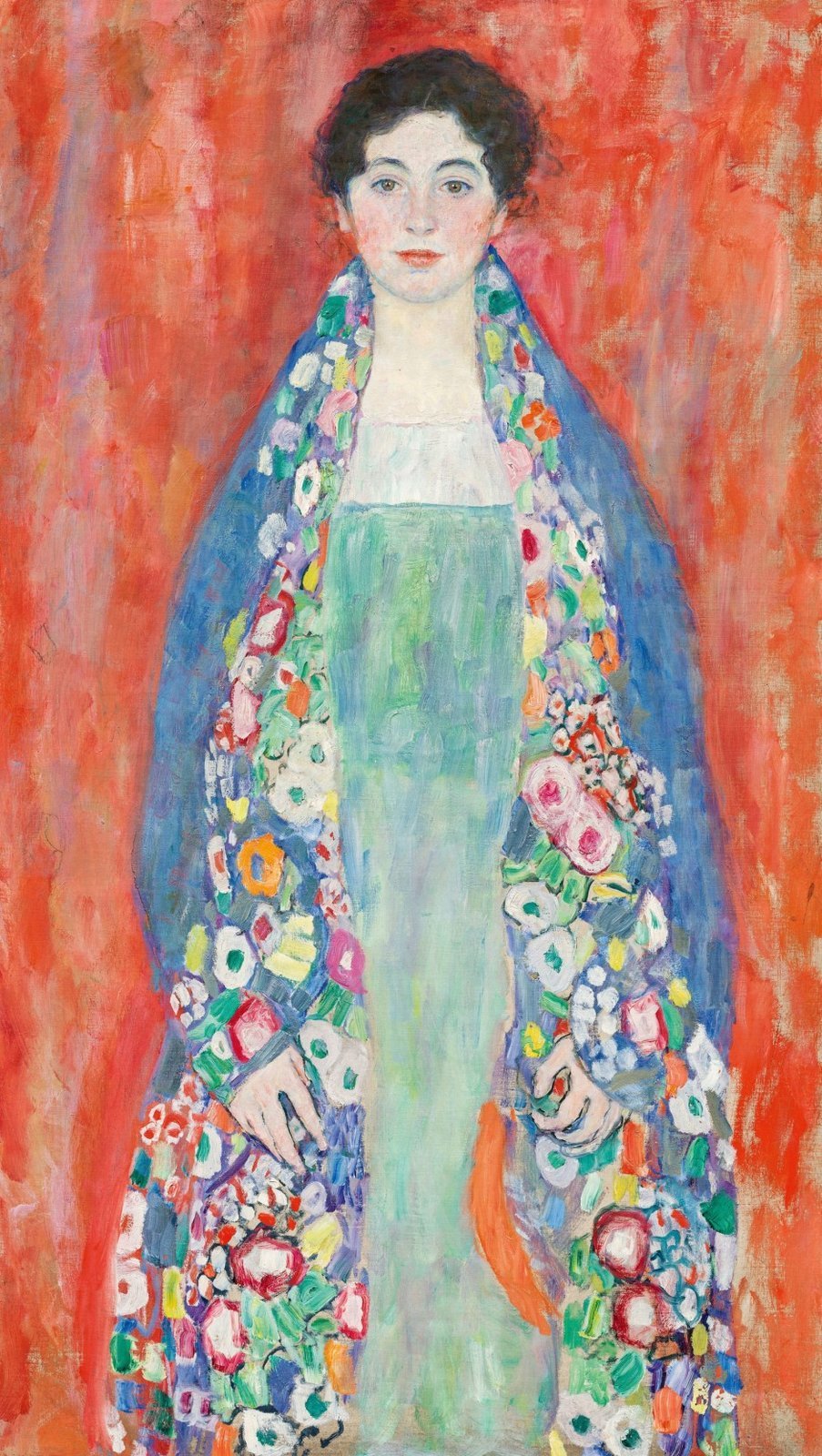
Portrait of Helene LieserPortrait of Helene Lieser: Gustav Klimt, Bildnis Fräulein Lieser, 1917 (zugeschrieben) (1917)
FOL. 04 · N° 050 · Helene Lieser
BIOGRAPHY

Life and Work

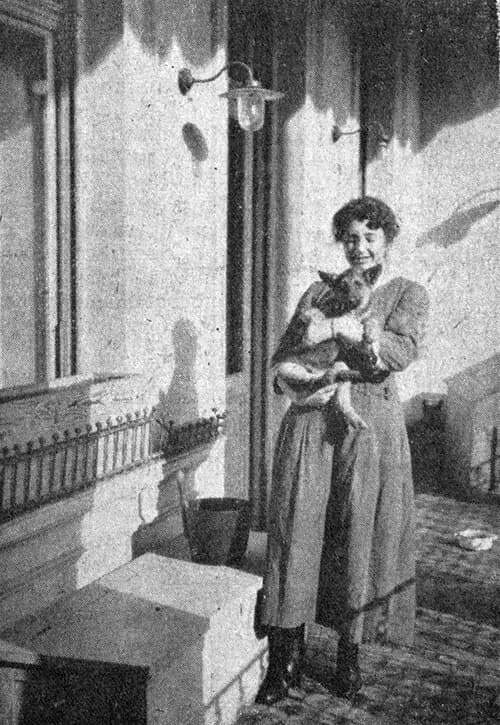
Helene Lieser was the daughter of the wealthy textile manufacturer Justus Lieser (1864–1927), who in 1905 divorced her mother, "Lilly" Henriette Amalie Lieser, née Landau (1875–1943), a well-known patron of the arts. From 1916 to 1919 she studied philosophy for five semesters at the University of Vienna, while also attending courses in law, and from 1919 she studied Staatswissenschaften (political science) there. On 26 June 1920 she became the first woman in Austria to be awarded a doctorate (Dr. rer. pol.), on the basis of her thesis "Die währungspolitische Literatur der österreichischen Bankozettelperiode" (The Monetary-Policy Literature of the Austrian Bankozettel Period), supervised by Othmar Spann (1878–1950) and Ludwig von Mises (1881–1973); this was also the first dissertation in political science submitted by a woman in Austria. Helene Lieser attended Ludwig von Mises's so-called Privatseminar, was a permanent member of the Nationalökonomische Gesellschaft (Economic Association) until her expulsion in 1938, and, after her studies, worked at the Association of Austrian Banks and Bankers in Vienna. At the same time, what is probably the best-known trace in Helene Lieser's life, and a contested one, leads into the family's Viennese art world: in the spring of 1917, in the last year of his creative life, Gustav Klimt painted a large portrait of a young woman of the Lieser family, which entered the Klimt literature as the "Portrait of Fräulein Lieser" (Bildnis Fräulein Lieser). Which of the Lieser daughters actually sat for Klimt nine times in his studio has not been conclusively established to this day: in 2024 the auction house im Kinsky named Helene Lieser, whereas the Klimt scholar Tobias G. Natter disagrees and sees the sitter as her cousin Margarethe Constance Lieser. Klimt died in February 1918; the painting remained unsigned and unfinished, was shown in 1925 at the Neue Galerie in Vienna, and was thereafter regarded as lost for eight decades. In April 2024 it resurfaced in an Austrian private collection and was auctioned for 30 million euros; the sale fell through a year later because of persistent questions of provenance and identification, and the present whereabouts of the work are unclear. In 1938 Helene Lieser had to flee Austria because of her Jewish origin (although she had already left the Jewish religious community, the Israelitische Kultusgemeinde, in 1921). In July 1938 she entered into a marriage (presumably a marriage of convenience) with Karl Berger (Munich 1901 – ?) and thereby became a Yugoslav citizen. Close family members, among them her mother, were murdered by the National Socialists, and their property in the country was plundered. Helene Lieser first fled to Geneva, where she collaborated with Ludwig von Mises until his departure in 1940. Here she was also active on behalf of those persecuted by the National Socialists and, in the circles around the espionage group known as the "Rote Kapelle" (Red Orchestra), she worked for the Soviet and later the British intelligence service. Helene Berger-Lieser, who from 1947 was a member of the board of trustees of the Austrian Institute of Economic Research in Vienna, went to Paris in 1948, where she joined the staff of Sir George Donald Alastair MacDougall (1912–2004), director of the economic secretariat of the Organisation for European Economic Co-operation (OEEC). From 1949 she served as Secretary-General of the International Economic Association / Association Internationale des Sciences Économiques in Paris, which was officially founded in 1950 and had been initiated by the United Nations Educational, Scientific and Cultural Organization (UNESCO); she organized numerous congresses and represented the organization at international congresses. Helene Berger-Lieser, who retired in 1962, died shortly afterwards in Vienna of cancer.
Metadata
16. Dezember 1898
in Wien
20. Juli 1962
Generation 4
Life stations

Stations

  1. 1898
    1898
    Birth

    Born on 16 December 1898 in Vienna, the daughter of the textile manufacturer Justus Lieser and the art patron Henriette Amalie ('Lilly') Lieser, née Landau.[1]

  2. ⁦1916–1919⁩
    ⁦1916–1919⁩
    Studies in Philosophy and Law

    Five semesters of philosophy at the University of Vienna from 1916 to 1919, alongside attendance at courses in law.

  3. ⁦1919–1920⁩
    ⁦1919–1920⁩
    Studies in Political Science

    From 1919, studies in political science at the University of Vienna.

  4. 1920
    1920
    Doctorate (Dr. rer. pol.), first woman in Austria

    On 26 June 1920 she became the first woman in Austria to receive the degree of Dr. rer. pol., with a dissertation in political science titled "Die währungspolitische Literatur der österreichischen Bankozettelperiode" (The Currency-Policy Literature of the Austrian Banco-Note Period); supervised by Othmar Spann and Ludwig von Mises.[2]

  5. 1920
    1920
    Mises's Private Seminar and the Economic Society— approximate

    A participant in Ludwig von Mises's private seminar and a permanent member of the Economic Society (until her expulsion in 1938).[2]

  6. 1920
    1920
    Association of Austrian Banks and Bankers— approximate

    After her studies, a position at the Association of Austrian Banks and Bankers in Vienna.[1]

  7. 1938
    1938
    Marriage to Karl Berger

    Marriage (presumably a sham marriage) to Karl Berger in July 1938, thereby acquiring Yugoslav citizenship.

  8. 1938
    1938
    Flight to Geneva

    In 1938 she fled Austria because of her Jewish descent, first to Geneva, where she worked with Ludwig von Mises until his departure in 1940.[2]

  9. 1940
    1940
    Resistance and intelligence work— inferred

    Support for those persecuted by the National Socialists; involvement in the circle of the espionage group "Rote Kapelle" (the Red Orchestra), first for Soviet and later for British intelligence.

  10. 1947
    1947
    Member of the Board of Trustees of the Austrian Institute of Economic Research

    Member of the Board of Trustees of the Austrian Institute of Economic Research in Vienna from 1947.

  11. 1948
    1948
    Move to Paris (OEEC)

    Moved to Paris in 1948, where she became an associate of Sir Donald MacDougall, director of the OEEC's economic secretariat.

  12. ⁦1949–1962⁩
    ⁦1949–1962⁩
    Secretary-General of the International Economic Association

    From 1949, Secretary-General of the International Economic Association in Paris, which had been initiated by UNESCO and was officially founded in 1950; she organised numerous congresses and represented the organisation internationally.

  13. 1962
    1962
    Death

    Retired in 1962 and shortly afterwards succumbed to cancer in Vienna.[1]

Relationships

Influences

Influenced by · 3
  1. ⁦1920–1920⁩
    ⁦1920–1920⁩

    Participant in the private seminar and member of the inner Mises circle in Vienna.[2]

  2. Othmar Spann⁦(1878–1950)⁩ · Universalismus

    On 26 June 1920, was awarded the Dr. rer. pol. as the first woman in Austria, with the dissertation “Die währungspolitische Literatur der österreichischen Bankozettelperiode” supervised by Othmar Spann and Ludwig von Mises.[2]

  3. Eugenie Schwarzwald⁦(1872–1940)⁩ · Wiener Reformpädagogik

    A pupil of the Schwarzwaldschule (Eugenie Schwarzwald's Lyzeum), which was famous for its progressive education of girls.[1]

Influenced · 1
  1. ⁦1961–1961⁩
    ⁦1961–1961⁩
    François Perroux⁦(1903–1987)⁩ · Französische Wirtschaftswissenschaft

    Translated a work by François Perroux from French into German in 1961.[2]

Private seminar, colleagues, Mont Pèlerin · 2
  1. ⁦1920–1938⁩
    ⁦1920–1938⁩

    Participant in the private seminar of Ludwig von Mises in Vienna; a permanent member of the Nationalökonomische Gesellschaft until her expulsion in 1938.[1]

  2. 1948
    1948
    Donald MacDougall⁦(1912–2004)⁩ · Britische Wirtschaftswissenschaft

    From 1948 in Paris, associate of Sir Donald MacDougall, director of the OEEC economic secretariat.[2]

Helene Lieser in the context of the School as a whole: five generations, their teacher-student lineages, circles and collegial ties.

SOURCES ON STATIONS AND RELATIONSHIPS16 citations · 1 source
Topography

Places of Activity

CATALOGUE OF WORKS · CHRONOLOGICAL

The Books

1920s
1920
Die währungspolitische Literatur der österreichischen Bancozettelperiode
OriginalGerman
Die währungspolitische Literatur der österreichischen Bancozettelperiode
OriginalGerman
APA
Chicago
German historical style